
Edocti Training
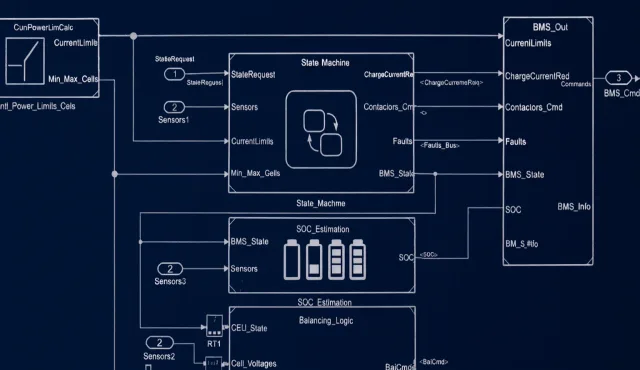
Simulink Model Management and Architecture
Scheduled sessions
No sessions are available at the moment.
Skills You Will Learn
Simulink Architecture
Model Referencing (Advanced)
Data Dictionaries & Scoping
Requirements Traceability
SCM Integration (Git/SVN)
Model Review & Diffing
Library Management
MBD Life Cycle (SDLC)
Curriculum
Traditional Software Architecture and Design
- From requirements to software architecture and detailed design (classic view)
- Identify components, interfaces, and responsibilities
Model-based design
- Core ideas and mapping to the classic approach
- Benefits and trade-offs for large automotive projects
A simple model
- Build a small Simulink model, wire I/O, simulate and analyze results
- Quality checks: readability, hierarchy, sample-time consistency
Requirements traceability
- Requirements linkage workflows
- Component interfaces and stubs
- Bus objects and interface contracts
Model architecture
- Decomposition: components, subsystems, bus signals
- Types of subsystems (enabled/triggered) and when to use them
- Model referencing: workflow and best practices
- Creating libraries; using the Library Browser effectively
Managing data
- Control data dependencies; save/load patterns
- Workspaces (base/model) and data scoping
- Parameters and signals; dictionaries and data objects
- Data types in Simulink; typedef hygiene
Project management and SDLC
- Organize models, data and documentation
- Integrate with SCM, diff and review models
- Lightweight documentation from models
Course Day Structure
- Part 1: 09:00–10:30
- Break: 10:30–10:45
- Part 2: 10:45–12:15
- Lunch break: 12:15–13:15
- Part 3: 13:15–15:15
- Break: 15:15–15:30
- Part 4: 15:30–17:30